

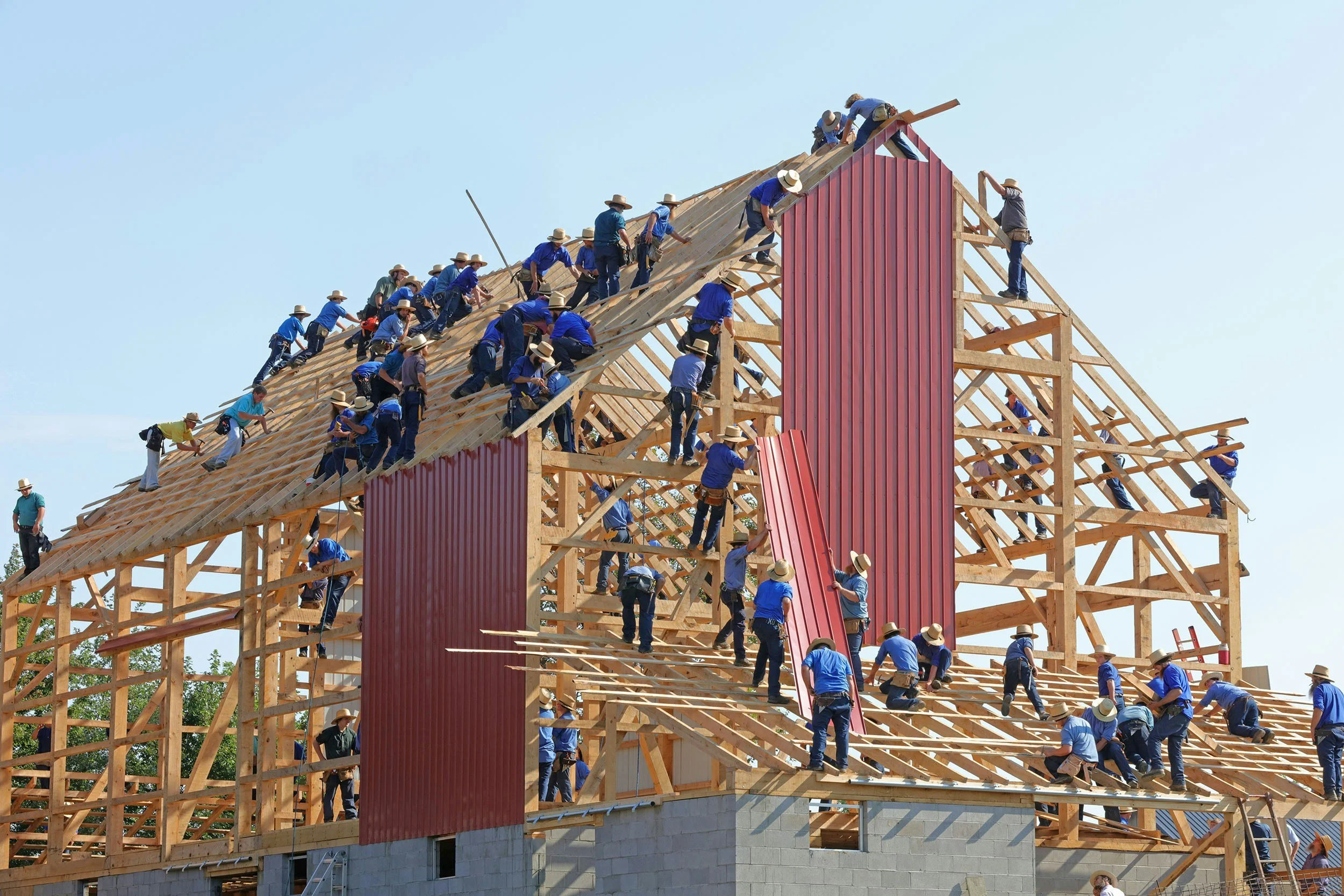
New Construction & Phased Inspections
Built Right. Inspected at Every Stage
Building a new home is an exciting investment, but even new construction can have overlooked details. From foundation work to the final finishing touches, each stage presents opportunities to identify concerns before they become more difficult or costly to address.
JBC Home Inspections, LLC provides independent inspections at key construction milestones, helping homeowners better understand the quality and condition of their new home throughout the building process.
With a professional background in architecture and an understanding of construction methods and building materials, we bring a knowledgeable perspective to every inspection. Our goal is not simply to identify concerns, but to explain why they matter and provide practical recommendations that homeowners can discuss with their builder.
Whether you're building a custom home or purchasing from a production builder, our phased inspections provide an additional level of independent oversight during construction.
Because the details that get covered up are often the details that matter most.
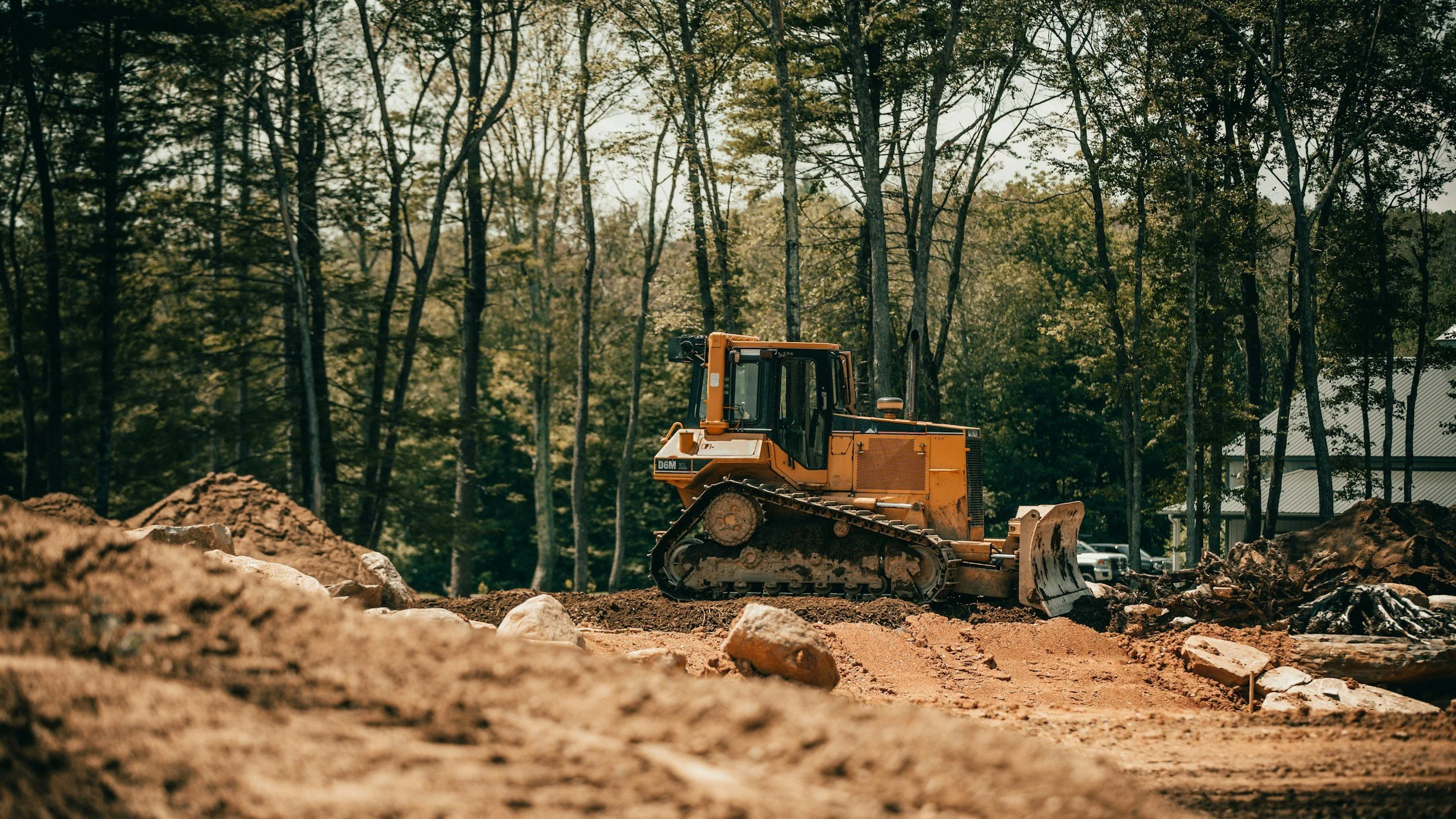
Phase 1 - Foundation & Site
Getting the foundation right starts with what you can see before it's covered.
The foundation is one of the most important components of a home, providing support for the structure above while resisting surrounding soil and moisture conditions. Once foundation walls are backfilled, many exterior details become concealed and difficult to evaluate.
Our Foundation & Site Inspection focuses on readily accessible foundation components and surrounding site conditions before backfilling, when practical.
What We Look For:
Visible cracking, displacement, honeycombing, and other observable concrete or masonry conditions.
Foundation wall alignment and readily visible construction irregularities.
Accessible waterproofing or dampproofing materials and their installation.
Visible foundation drainage provisions, including perimeter drain components where accessible.
Foundation penetrations and observable sealing or waterproofing details.
Conditions around window wells and other below-grade openings.
General site grading and drainage provisions that may affect the foundation.
Other visible conditions that could affect long-term moisture management or building performance.
Why This Inspection Matters
Foundation repairs and moisture-related concerns can become more complicated once backfilling, landscaping, and interior finishes are completed. Identifying visible concerns early provides an opportunity to discuss them with the builder while the affected areas remain accessible.
When to Schedule: After foundation walls have been constructed and applicable waterproofing and drainage work is substantially complete, but before backfilling.
Note: This is a visual inspection of accessible conditions and does not include engineering analysis, soil evaluation, reinforcement verification, or certification of foundation design. Pre-pour inspections may be arranged separately.
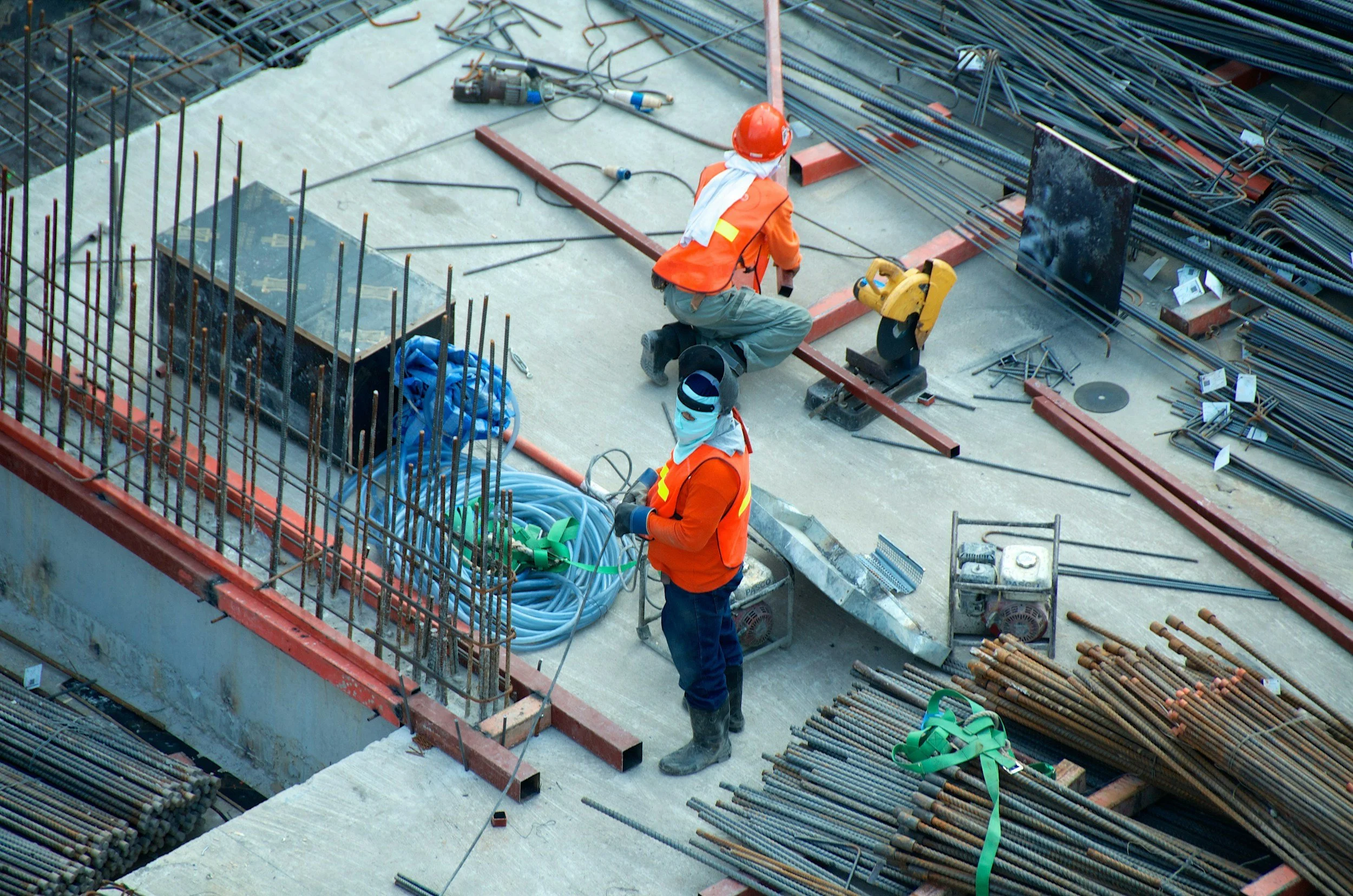
Phase 2 - Framing & Pre-Drywall
An opportunity to see what will soon be hidden behind the walls.
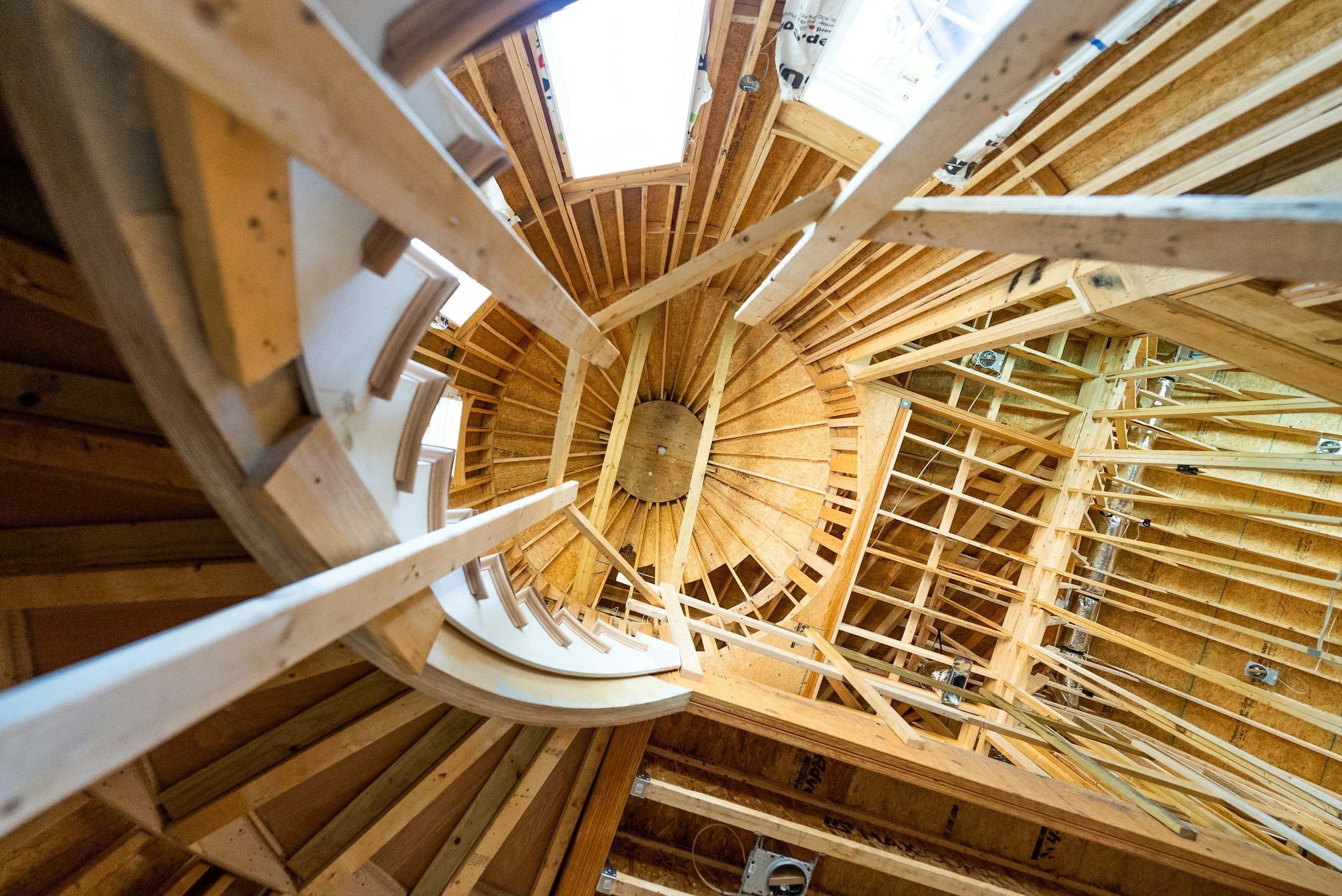
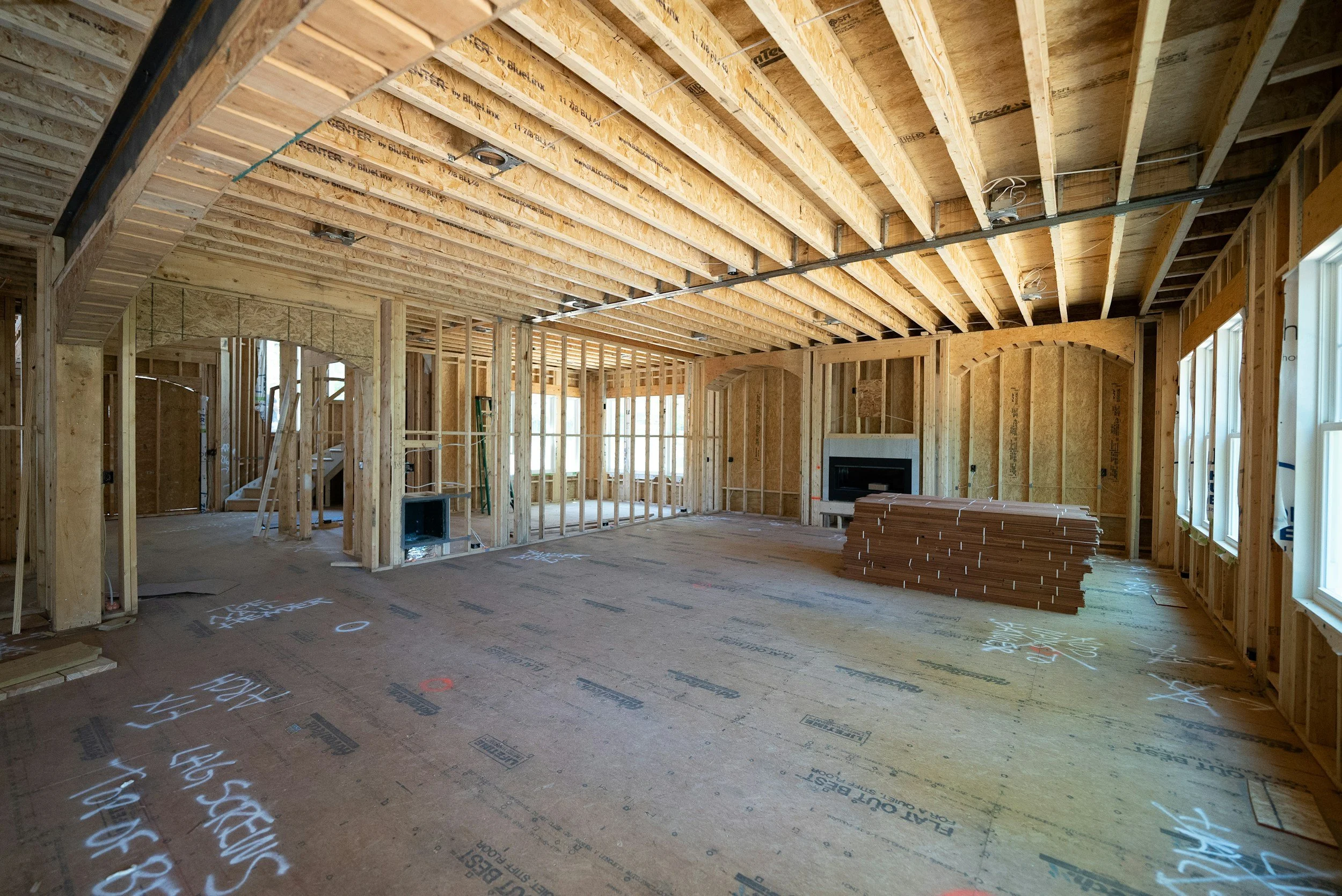
The framing and pre-drywall stage offers a unique opportunity to evaluate important building components before insulation, drywall, and other finishes conceal them.
With much of the home's structural framing, connections, and mechanical systems still visible, this inspection focuses on identifying observable installation concerns and construction details that may warrant further attention.
Drawing on our background in architecture and building construction, JBC Home Inspections evaluates accessible components with an emphasis on proper installation, structural support, moisture management, and overall workmanship.
What We Look For:
Structural Framing
Visible wall, floor, and roof framing conditions.
Framing connections, joist hangers, and other accessible structural hardware.
Observable bearing and support conditions.
Damaged, excessively notched, or improperly altered framing members.
Gaps, irregularities, and visible installation concerns involving structural sheathing.
Accessible framing around windows, doors, stair openings, and other penetrations.
Building Envelope
Visible exterior wall sheathing and weather-resistive barriers.
Window and door flashing details where accessible.
Roof-to-wall transitions and other vulnerable moisture-entry locations.
Observable gaps and discontinuities in exterior weather protection.
Accessible roof ventilation provisions and attic construction details.
Mechanical, Electrical & Plumbing Rough-Ins
Visible routing and support of plumbing piping.
Accessible electrical wiring, protection, and installation conditions.
HVAC ductwork, ventilation provisions, and visible equipment connections.
Penetrations through framing and their observable effects on structural members.
Other readily accessible rough-in conditions that may warrant correction or further evaluation.
Why This Inspection Matters
Many important construction details become inaccessible once drywall and interior finishes are installed. Missing framing connectors, damaged structural members, improperly installed flashing, and other concerns can be significantly easier to address before the work is concealed.
A pre-drywall inspection provides homeowners with independent documentation of visible conditions and an opportunity to discuss concerns with their builder before construction progresses.
When to Schedule: After structural framing and applicable mechanical, electrical, and plumbing rough-ins are substantially complete, but before insulation and drywall installation.
Note: This inspection does not include structural engineering calculations, destructive testing, or certification of code compliance. Components concealed or inaccessible at the time of inspection cannot be evaluated.
Phase 3 - Final Inspection
New doesn't always mean everything is complete or working as intended.
As construction nears completion, attention shifts from the components behind the walls to the finished home and its operating systems.
Our Final New Construction Inspection provides an independent evaluation of the home's readily accessible systems and components before closing or taking occupancy.
While new homes typically undergo municipal inspections during construction, an independent home inspection provides an additional opportunity to identify visible defects, incomplete work, and conditions that may require attention.
What We Look For:
Roofing & Exterior: Roof coverings, flashing, siding, exterior trim, windows, doors, and visible drainage provisions.
Structural Components: Readily accessible foundations, framing, floors, and other structural elements.
Electrical Systems: Accessible electrical distribution equipment, receptacles, switches, lighting, and safety devices.
Plumbing Systems: Fixtures, drains, water supply components, water heaters, and visible leakage.
Heating & Cooling: Accessible HVAC equipment, distribution components, and operating conditions where weather and equipment permit.
Interior Finishes: Walls, ceilings, floors, doors, windows, stairs, and other accessible components.
Attic & Insulation: Accessible insulation, ventilation, and visible attic conditions.
Site & Drainage: Grading, drainage, walkways, and other completed site improvements.
Why This Inspection Matters
Even well-managed construction projects can have overlooked details or incomplete items as work progresses toward closing. An independent final inspection helps document observable concerns and provides homeowners with information they can review with their builder.
Our inspection report includes photographs, explanations, and practical recommendations to help homeowners better understand the condition of their new home.
When to Schedule: Ideally, once construction is substantially complete, utilities are active, and the home's systems are operational, allowing sufficient time for the builder to address concerns before closing.
Note: The inspection is a visual evaluation of accessible components and does not constitute a final construction acceptance inspection or guarantee that all builder obligations have been fulfilled.
Phase 4 - 11-Month Warranty
Your home has been through its first year. Now is a good time to take another look.
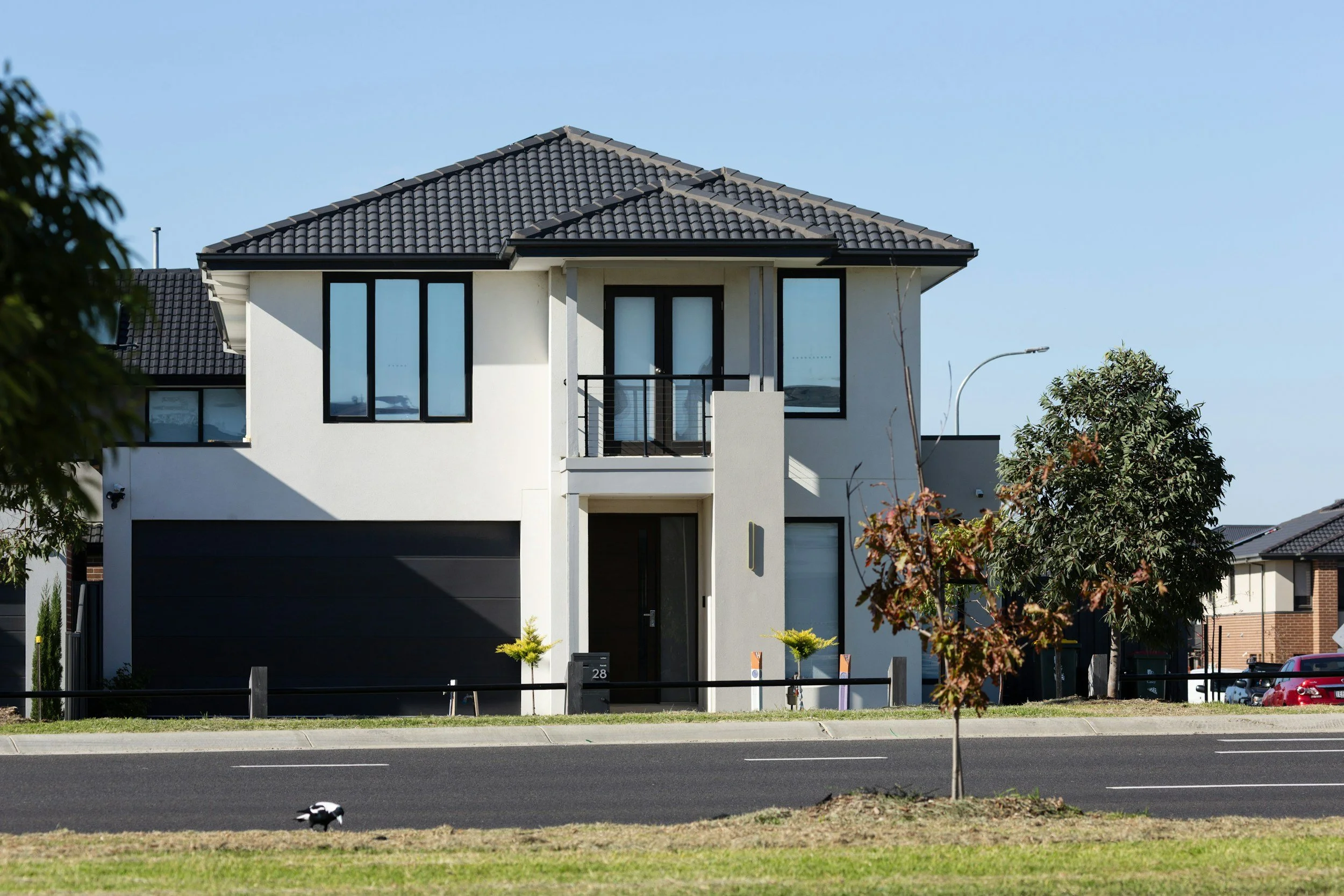
During the first year of occupancy, a new home experiences seasonal temperature changes, moisture fluctuations, normal material movement, and everyday use. These conditions can reveal concerns that were not apparent during the initial inspection.
Our 11-Month Warranty Inspection provides homeowners with an independent evaluation of accessible conditions before the expiration of their applicable builder warranty.
What We Look For:
Settlement-related cracking and movement in visible finishes.
Doors and windows that no longer operate properly.
Signs of water infiltration or moisture-related concerns.
Foundation and basement moisture conditions.
Roofing, flashing, siding, and exterior drainage concerns.
Plumbing leaks, fixture performance, and drainage issues.
Heating, cooling, and ventilation performance.
Electrical components and accessible safety devices.
Other observable deficiencies or conditions that have developed during occupancy.
Why This Inspection Matters
Some construction-related concerns only become noticeable after a home has been occupied through changing seasons. Identifying and documenting these conditions before the applicable warranty expires gives homeowners an opportunity to discuss potential corrective work with their builder.
JBC provides a detailed inspection report with photographs and practical recommendations that homeowners can reference when communicating warranty-related concerns.
When to Schedule: Typically around the 10th or 11th month after closing, allowing time to review the report and submit applicable warranty requests before deadlines.
Note: Builder warranties vary in coverage and duration. This inspection does not determine warranty eligibility or guarantee that the builder will provide repairs.

Schedule Your New Construction Inspection
Call or text JBC Home Inspections, LLC today to discuss your new or phased construction inspection needs.
(315) 720-5014
Serving Syracuse, Auburn, Baldwinsville, Skaneateles, Utica, Rome, and surrounding Central New York communities.